
CRM, short for Customer Relationship Management, is indispensable for businesses, regardless of their size. Customers serve as the lifeblood of any organization, making effective customer management crucial for growth. Discover in this blog how CRM technology enhances your connectivity with customers, ultimately improving overall business performance.
What is Customer Relationship Management (CRM)
CRM, or customer relationship management, encompasses the process of managing interactions with both existing and prospective customers during the sales journey. While any strategy employing data to build, improve, and manage customer relationships falls under CRM, the term is commonly associated with CRM software or technology.
What is a CRM software?
CRM software, a tool or system of tools, aids businesses in aggregating, organizing, and analyzing customer information data to enhance relationship management.
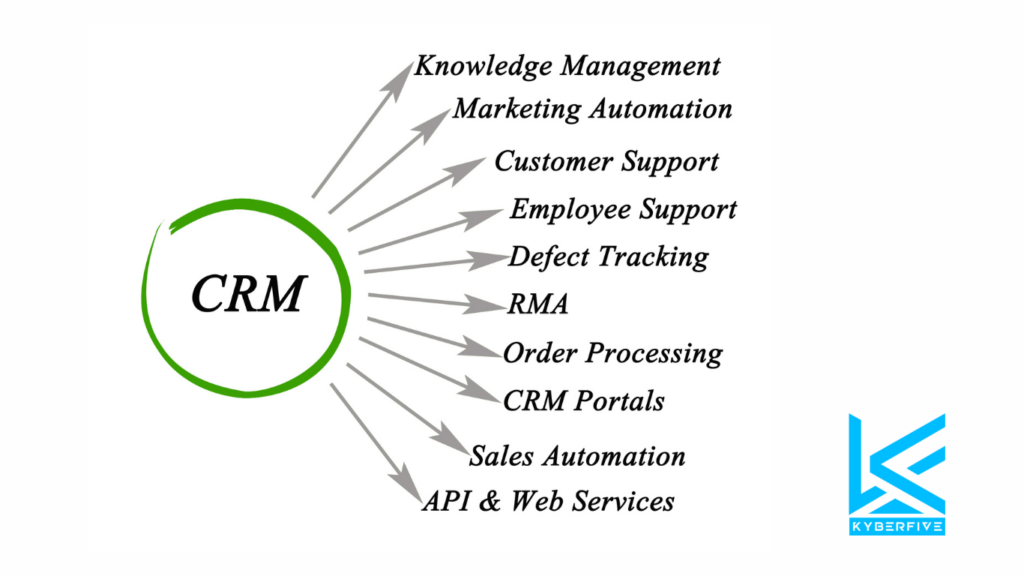
Benefits of using CRM for your Business
Using CRM (Customer Relationship Management) for your business can be highly beneficial in various scenarios. Here are some situations when implementing CRM is particularly advantageous:
Scaling Operations
As your business grows, managing customer interactions becomes more complex. CRM systems help centralize customer data, streamline communication, and ensure consistency across all touchpoints, making it easier to scale operations effectively.
Improving Customer Service
If you’re looking to enhance the quality of your customer service, CRM can be invaluable. By providing your team with access to comprehensive customer profiles, interaction histories, and support tickets, CRM enables them to deliver personalized and efficient service to every customer.
Increase Sales Efficiency
CRM systems empower sales teams with tools for lead management, pipeline tracking, and performance analytics. By automating repetitive tasks, providing valuable insights, and facilitating collaboration, CRM boosts sales productivity and helps teams focus on high-value activities.
Enhancing Marketing Effectiveness
For businesses aiming to optimize their marketing efforts, CRM offers valuable features for segmentation, targeting, and campaign management. By leveraging customer data to personalize marketing messages and track campaign performance, CRM enables marketers to drive engagement and conversions more effectively.
Strengthening Customer Relationship
If building long-term relationships with customers is a priority, CRM is indispensable. By capturing and analyzing customer interactions across various channels, CRM systems help businesses better understand their customers’ needs, preferences, and behavior, enabling them to tailor experiences and foster loyalty.
Streamlining Processes
Whether you’re looking to streamline sales, marketing, or customer service processes, CRM can help automate workflows, eliminate manual tasks, and improve overall efficiency. By standardizing processes and ensuring data accuracy, CRM reduces errors, delays, and administrative burdens.
Gaining Insights
CRM systems provide businesses with valuable insights into customer trends, buying patterns, and preferences. By analyzing this data, businesses can make informed decisions, identify opportunities for growth, and anticipate customer needs, ultimately driving strategic initiatives and competitive advantage.
Different Types and Functions of CRM
The different types and functions of CRM systems can vary depending on the specific needs and goals of a business. However, some common types and functions include:
Operational CRM
This type of CRM focuses on streamlining and automating customer-facing processes such as sales automation, marketing automation, and customer service automation. It helps businesses effectively manage interactions with customers throughout the customer lifecycle.
Analytical CRM
Analytical CRM involves analyzing customer data to gain insights into customer behavior, preferences, and trends. This information can be used to make data-driven decisions, personalize marketing campaigns, and identify opportunities for cross-selling or upselling.
Collaborative CRM
Collaborative CRM facilitates communication and collaboration among different departments within an organization to better serve customers. It allows team to share customer information, coordinate activities, and provide a seamless experience across touchpoints.
Strategic CRM
Strategic CRM Focuses on long-term planning and relationship-building strategies to acquire and retain profitable customers. It involves aligning CRM initiatives with overall business objectives and implementing strategies to maximize customer lifetime value.
Sales Force Automation
Sales Force Automation (SFA) is a key function of CRM systems that automates sales-related tasks such as lead management, opportunity tracking, contact management, and sales forecasting. It helps the sales team streamline their workflows and improve productivity.
Marketing Automation
Marketing automation features enable businesses to automate marketing processes such as email marketing, lead nurturing, campaign management, and customer segmentation. It allows marketers to deliver personalized and targeted messages to prospects and customers at the right time.
Customer Service and Support
CRM systems often include customer service and support functionalities to manage customer inquiries, complaints, and feedback. These features may include ticket management, knowledge base management, live chat support, and self-service portals.
How to Choose a CRM for Your Business
Choosing the right Customer Relationship Management (CRM) system is a pivotal decision that can significantly impact your business’s efficiency and growth. With a myriad of options available in the market, finding the CRM solution tailored to your specific needs is essential. In this guide, we’ll walk you through the key considerations and steps to ensure you make an informed choice that aligns with your business objectives.
Why is Choosing the Right CRM Important?
A CRM system serves as the backbone of your customer-centric operations, helping streamline communication, enhance customer relationships, and drive overall business success. From managing leads and sales to providing valuable insights into customer behaviors, a well-chosen CRM can be a game changer.
Key Considerations When Selecting a CRM
Define Your Objectives
Start by identifying your business goals and what you aim to achieve with a CRM. Whether it’s improving customer service, increasing sales, or streamlining processes, having clear objectives will guide your CRM selection process.
Assess Your Requirements
Evaluate your business requirements and the specific functionalities you need from a CRM. Consider factors such as lead management, contact organization, sales pipeline tracking, marketing automation, and customer support features.
Consider Scalability
Choose a CRM solution that can grow with your businesses. Consider your future expansion plans and ensure that the CRM can accommodate increasing data volumes, users, and functionalities as your business evolves.
Compatibility and Integration
Ensure that the CRM system you choose is compatible with your existing software and technology stack. Look for CRM solutions that offer seamless integration with other tools and platforms you use, such as email marketing software, accounting systems, and e-commerce platforms.
User-Friendly Interface
Opt for a CRM with an intuitive and user-friendly interface that your team can easily navigate and adopt. Conduct a trial or demo of the CRM to assess its usability and ensure that it meets the needs of your users.
Customization Options
Look for a CRM that offers customization options to tailor the system to tailor the system to your specific business processes and workflows. This includes customizable fields, layouts, reports, and dashboards that align with your unique requirements.
Data Security and Compliance
Prioritize data security and compliance features when choosing a CRM. Ensure that the CRM provider adheres to industry standards and regulations, such as GDPR, HIPAA, or PCI-DSS, to protect sensitive customer information.
Mobile Accessibility
In today’s mobile-centric world, having a CRM with mobile accessibility is essential for remote and on-the-go work. Choose a CRM solution that offers mobile apps or responsive web interfaces to enable your team to access critical data and perform tasks from anywhere.
Vendor Support and Training
Consider the level of support and training offered by the CRM vendor. Look for providers that offer comprehensive onboarding, training resources, and ongoing support to help your team effectively use the CRM and address any issue that may arise.
Cost and ROI
Finally, consider the cost of the CRM solution and the potential return on investment (ROI) it offers for your business. Evaluate pricing plans, subscription models, and any additional fees for customization, integration, or support to ensure that the CRM aligns with your budget and delivers value for your investment.

In conclusion, leveraging Customer Relationship Management (CRM) for sustainable growth is a strategic imperative for businesses of all sizes. By effectively managing customer interactions and relationships, businesses can nurture leads, drive conversions, and foster long-term loyalty.
Throughout this guide, we explored the multifaceted benefits of CRM, from streamlining sales processes to delivering personalized customer experiences. We discussed the importance of choosing the right CRM solution tailored to your business needs, highlighting key considerations such as scalability, customization options, and integration capabilities.
As businesses continue to navigate an increasingly competitive landscape, CRM remains a cornerstone for success, enabling organizations to stay agile, responsive, and customer-centric. By harnessing the power of CRM technology, businesses can unlock new opportunities for growth, innovation, and profitability.
Remember, the journey from leads to loyalty is not a one-time endeavor but an ongoing commitment to building and nurturing meaningful relationships with customers. With the right CRM strategy in place, businesses can cultivate customer loyalty, drive revenue, and thrive in today’s dynamic market landscape.
Ready to take your business to new heights with CRM? Contact us today to explore how our tailored CRM solutions can empower your business for sustainable growth and success. Let’s embark on this journey together!